Best Buy Light Panels: A Comprehensive Guide

Intro
Lighting plays a pivotal role in shaping the ambiance of any space. Incorporating light panels not only enhances the visual quality of an area but also serves practical functions. Whether you're a homeowner looking to refresh your living room or a designer seeking innovative lighting solutions for your latest project, understanding the best light panels in the market can make all the difference.
In this guide, we delve into various light panel options available today, exploring the benefits they bring to home decor, the technological innovations that have led to their evolution, and the crucial criteria to consider when making a selection. Alongside, we will cover maintenance tips and sustainable choices for the environmentally-conscious buyer.
Furniture Design Insights
Understanding Style Preferences
When it comes to choosing light panels, aligning them with your style preferences is critical. Light panels can serve as subtle background elements or eye-catching fixtures, depending on their placement and design. If you favor minimalist designs, consider smooth, slim panels with a neutral tone. They can seamlessly integrate into your environment without being too imposing.
Alternatively, if your style leans towards bold patterns or colors, there are light panels designed to make a statement. For instance, geometric designs or panels that allow for customizable color options can transform a bland room into a vibrant, energetic space. For the artistically inclined, exploring the intersection of functionality and aesthetics through these panels can yield remarkable results.
Maximizing Space with Smart Layouts
Strategic placement of light panels can amplify the impact of your decor. Unlike traditional lighting options, light panels can be configured in various arrangements to optimize illumination. For tight spaces, think about mounting panels on walls or ceilings. This has the effect of freeing up floor space while still providing adequate light.
In larger areas, consider using multiple panels as part of a layered lighting strategy. Mixing ambient, task, and accent lighting can create depth and intrigue, enhancing both functionality and visual appeal. When designing the layout, don't forget to account for the direction of light; ensuring that it highlights your best features ensures that your space feels welcoming and well-planned.
"Good lighting can make or break a room; it's about finding the right balance."
— An Interior Designer's Mantra
Maintenance and Care Tips
Cleaning Techniques for Different Materials
Proper care ensures that light panels remain both functional and aesthetically pleasing. Depending on the materials your panels are made from, cleaning methods may vary. For instance, if you have acrylic or polycarbonate panels, a soft, damp cloth with a gentle soap is sufficient for routine cleaning.
For glass panels, using a glass cleaner can eliminate smudges and fingerprints effectively. Remember to avoid harsh chemicals, as they can deteriorate the material over time. Regular maintenance not only extends the life of your light panels but also guarantees consistent performance.
Preventative Measures Against Wear and Tear
In addition to cleaning, taking precautionary steps can help preserve your panels. For example, positioning them away from direct sunlight can prevent fading. Also, avoid placing heavy items near them, as an unexpected impact might cause damage. Finally, maintaining the electrical components ensures that your panels work efficiently without unexpected failures.
With the right approach, light panels can serve as reliable lights in your home, showcasing both their beauty and function. By adhering to these guidelines and insights, homeowners, designers, and DIY enthusiasts can harness the power of light panels to enhance their spaces.
Preface to Light Panels
In today’s ever-evolving design landscape, light panels have carved out a niche that cannot be overlooked. They are not just about illumination anymore; they play a pivotal role in aesthetics and functionality within our spaces. By weaving light into the fabric of interior design, these panels transform ordinary rooms into vibrant, welcoming environments.
Light panels come in various forms, each with its own set of benefits that cater to diverse needs. For instance, LED light panels are known for their energy efficiency, making them an attractive option for environmentally conscious consumers. Meanwhile, smart light panels offer customization and control, allowing users to modify their ambiance at the touch of a button. As homeowners and designers increasingly seek flexibility in lighting solutions, understanding the core elements of light panels becomes crucial.
Defining Light Panels
Light panels are flat fixtures that provide artificial lighting, often made from materials such as acrylic, glass, or metal. They can be mounted on walls or ceilings, used in different configurations to optimize light distribution within a space. The technological advancements have resulted in panels that are not only functional but also capable of producing a range of colors and brightness levels. This adaptability makes them suitable for various settings, from homes to commercial spaces, where ambiance plays an integral role.
To put it simply, a light panel is much more than a source of light. It is a tool for enhancing the mood and perception of space. Whether it’s creating a warm and inviting feel in a living room or a focused, energetic environment in an office, the right light panel can significantly influence our experience.
Historical Background
The concept of light panels can be traced back to the integration of lighting into architectural designs. The need for efficient lighting solutions has always been a part of human history. Initially, natural light was maximized through open spaces and large windows in homes. As technology progressed, people sought ways to mimic sunlight in their living areas. This led to the invention of various light sources, from oil lamps to incandescent bulbs.
As society transitioned into the modern era, the advent of fluorescent lighting brought about a significant shift. However, it wasn’t until the introduction of LED technology in the late 20th century that light panels began to truly flourish. LEDs provided a more energy-efficient alternative and opened doors to new design possibilities. Today, with the increasing demand for sustainable living, light panels have gained prominence, showcasing how historical evolution continues to shape contemporary design practices.
Ultimately, understanding the journey of light panels helps appreciate their current significance and versatility. This evolution ensures that homeowners and designers alike can utilize lighting as an essential aspect of design, enhancing both functionality and aesthetic appeal.
Benefits of Light Panels
Light panels are more than just an appealing aesthetic choice for your spaces. They offer a multitude of benefits that can greatly enhance both functionality and mood within various environments. Understanding these advantages helps homeowners, designers, and even retailers better appreciate the role these fixtures can play in modern design and energy management.
Energy Efficiency
One of the most significant perks of using light panels is their energy efficiency. Unlike traditional bulbs, especially incandescent ones, light panels like LED variants consume far less energy. This not only translates to lower electricity bills but also plays a part in reducing one's carbon footprint. With LED technology, durability and longevity are also key. A well-made light panel can last tens of thousands of hours, making it a sound investment over time.
- Lower Utility Costs: Regular light bulbs may burn out and need frequent replacing, while quality panels withstand years of usage, saving you both time and money.
- Reduced Heat Emission: Light panels emit less heat, which keeps your living spaces cooler and may reduce the need for excessive air conditioning in the warmer months.
This energy efficiency is a selling point that attracts environmentally conscious consumers who are keen on sustainability.
Space Enhancement
Light panels can transform a dull, lifeless room into a haven of creativity and productivity. By distributing light more evenly, they minimize harsh shadows and create a more inviting atmosphere. Their ability to diffuse light makes them suitable for various areas, from offices and homes to retail environments.
Consider the strategic use of light panels:
- In smaller spaces: They can give the illusion of increased room size.
- In larger spaces: They can effectively highlight specific areas, guiding the eye toward focal points.
"The right lighting creates an environment where comfort and style coexist."
When strategically placed, these panels can add depth and dimension to a room. They are not merely light sources but integral parts of the overall design concept, enhancing color and texture.
Versatility in Design
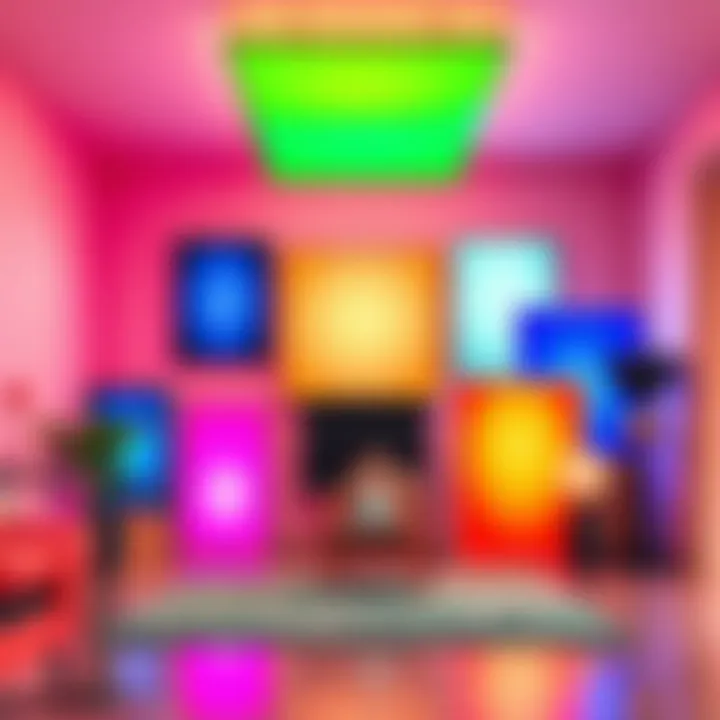
Light panels come in various shapes, sizes, colors, and technological features. This versatility makes them suitable for nearly any design style, whether it's minimalist, industrial, or even bohemian. Whether you’re aiming for a sleek, modern look or something more eclectic, there’s likely a light panel that fits the bill.
Moreover, many panels can be customized or integrated with smart technology. You can now control lighting through apps or voice commands, which adds a modern touch to any setup.
Here are a few design aspects to consider:
- Shapes and Sizes: Choose from rectangular, circular, or even abstract designs to find the best match for your existing decor.
- Color Options: Some panels allow you to adjust color temperatures and hues, letting you set the mood for different occasions.
- Mounting Styles: Panels can be flush mounted, suspended, or even recessed into ceilings, providing a seamless look that caters to diverse architectural requirements.
All these factors contribute to how light panels can be a focal point or a subtle enhancement in homes, making them indispensable in today’s interior design landscape.
Types of Light Panels
In the ever-evolving world of lighting design, understanding the types of light panels available can empower both designers and homeowners in choosing the right solution for their spaces. Light panels are more than just functional items; they serve aesthetic purposes and can transform an environment while providing necessary illumination. Let's explore two main types—LED panels and smart light panels—each offering distinct advantages and considerations.
LED Panels
LED panels are widely recognized for their energy efficiency and longevity. These panels use light-emitting diodes to produce glow, which translates into lower electricity bills when compared to traditional lighting. One significant benefit is their ability to deliver high luminosity while consuming minimal power. This can noticeably reduce the overall energy footprint of a home or workspace.
Further, LED panels are available in various shapes and sizes, allowing for versatile designs. They can be installed as ceiling panels, wall fixtures, or even in subtle under-cabinet lighting setups. Homeowners often choose LED panels for their durability; their average lifespan can exceed 25,000 hours, making them a sensible investment in the long run.
Some users appreciate the capability of LED panels to be dimmed or adjusted to produce different levels of brightness, which can compliment changing moods or different tasks. For example, a brightly lit space may be ideal for working, while a softer glow can create a calming atmosphere during leisure time. Moreover, color temperature options range from warm white to cool daylight, enhancing design flexibility.
Smart Light Panels
Smart light panels represent the cutting edge of lighting technology, integrating connectivity and customization. These panels can often be controlled remotely using smartphones or through voice commands via devices like Amazon's Alexa or Google Assistant. The ability to change colors and brightness levels through apps brings a layer of convenience and personalization that appeals to many tech-savvy users.
With smart panels, users can create schedules and automation, adjusting the lighting based on activity or even mimicking natural sunlight patterns. This capability can enhance comfort as well as promote better mood regulation, aligning with the concept of circadian lighting, where exposure to specific light colors influences sleep cycles.
Furthermore, smart light panels frequently come with integrated features such as sync capabilities for music or movies, turning ordinary spaces into multi-sensory experiences. However, they can require a more complex installation process and setting up a stable Wi-Fi connection, so careful planning is advisable here.
"Selecting the right type of light panel is crucial and should align with both practical needs and design aspirations."
In summary, knowing the difference between LED and smart light panels allows for informed decisions based on specific requirements, whether it’s for aesthetic, functional, or technological needs. Understanding these distinctions is pivotal in achieving an optimal balance between form and function in both residential and commercial spaces, paving the way for innovative and engaging designs.
Key Features to Consider
When navigating the world of light panels, it’s easy to get overwhelmed by the choices available. However, understanding key features can help in selecting the right light panel that meets your needs. Whether you’re a designer aiming for a specific ambiance in a space or a homeowner looking to enhance the functionality of your environment, honing in on essential features will facilitate a more informed and satisfactory purchase.
Brightness Levels
Brightness is one of the most critical factors in lighting, influencing both aesthetic appeal and practical functionality. Different spaces require different brightness levels: a cozy lounge may benefit from softer lighting, while work areas often demand brighter illumination.
- Lumens Matter: Look for panels that specify lumens rather than watts. More lumens indicate brighter light.
- Adjustability: Some panels allow you to adjust brightness levels depending on the time of day or activity at hand. This is a handy feature that can significantly amp up usability.
In essence, choosing panels with versatile brightness settings can transform the mood of your spaces at the flick of a switch.
Color Temperature
Color temperature may sound like a technical term, but it is essentially the warmth or coolness of a light source. Measured in Kelvin (K), color temperature influences your emotional response to different environments. For instance:
- Warm White (2700K - 3000K): Creates a cozy, inviting atmosphere, ideal for bedrooms or lounges.
- Cool White (4000K - 5000K): Offers a more energizing effect; ideal for kitchens and workspaces.
Finding the right color temperature can be as vital as finding the right piece of furniture for your design. It affects not only the appearance of your room but also your mood when you step in.
Control Options
Modern light panels come equipped with a variety of control options, enhancing user experiences substantially. Here are some common control features you should look out for:
- Remote Control: Offers convenient adjustment from a distance.
- Smart Home Integration: Some models are compatible with platforms like Google Home or Amazon Alexa, allowing you to control them via voice commands.
- Mobile Apps: Many smart panels come with dedicated mobile applications, letting you customize color, brightness, and even lighting schedules directly from your phone.
These control options not only enhance usability but also allow for a personalized lighting setup that can evolve with your needs over time.
Installation Requirements
Different light panels have varying installation requirements, and it’s crucial to know what you’re getting into before making a purchase. Some factors to consider include:
- Mounting Styles: Make sure the panel's mounting style aligns with your ceiling type. For example, you might find panels that are designed for flush mounting, while others hang from the ceiling.
- Electrical Needs: Check whether the panel requires an outlet nearby or if it can be hardwired into your home’s electrical system. Knowing this beforehand can save you aggravation during installation.
- Space Considerations: Think about where you plan to install the panels. Ensure that the dimensions fit within your desired space and that you have the right mounts and tools handy.
A well-planned installation not only saves hassle but ensures effective and safe operations once the panels are live.
Prioritize understanding these key features as they are the backbone of your ultimate satisfaction with lighting solutions in your home or workspace.
Top Recommendations
When it comes to selecting light panels, one must tread carefully through a sea of options. The Top Recommendations section provides invaluable insights that are particularly essential for designers, retailers, homeowners, and DIY enthusiasts. This guidance will help you navigate the myriad of choices and stand out with informed decisions. In a world where lighting is both a functional necessity and a stylish element, making the right selection serves as an effective foundation for achieving your desired ambiance and functionality.
Best Overall Light Panels
Finding the best overall light panel can feel like searching for a needle in a haystack. However, a few standout options truly rise above the rest. One exemplary choice is the Nanoleaf Shapes, known for their versatility and programmable lighting features. Variably shaped and customizable, these panels not only adapt to your decor but also deliver vibrant colors and dynamic lighting effects that can change your environment on a whim. Another notable mention is the Philips Hue White and Color Ambiance, offering an excellent blend of smart integration, energy efficiency, and straightforward installation. With these, you can tailor your light experience with just your voice or smartphone.
Budget-Friendly Options
On a budget? No problem. There are plenty of light panels that provide an excellent balance between cost and quality. The LIFX Beam is a user-friendly choice that allows for a decent range of color options without breaking the bank. This brand is often praised for providing good lumens per dollar spent and easy installation, making it perfect for those new to the lighting game. Another solid pick is the TaoTronics LED Panel, which offers fantastic functionality without the hefty price tag. With features like dimming and various light modes, these panels cater well to anyone looking for effective yet budget-conscious lighting solutions.


High-End Selections
For those whose tastes run high and whose budgets can accommodate it, high-end selections truly turn heads. The LuminoCity light panels stand out not just in design but also in technology. They allow you to synchronize lighting with your music, making them a favorite for parties and gatherings. Their aesthetic design also means that they aren’t just light sources but conversation starters. Similarly, the **Philips Hue Play Gradient Lightstrip links seamlessly with various devices and applications, creating a captivating experience right in your living space. The quality of light and innovative features make this choice worth the splurge, especially for homeowners looking to enhance their smart home setup.
"Investing in quality light panels is not just about illumination; it's about creating an atmosphere that speaks to your style and needs."
To wrap it up, the Top Recommendations section is meant to simplify your buying journey. Whether you're pinching pennies or ready to splurge, these curated options are designed to meet diverse needs and preferences, ensuring you find the perfect fit for your lighting projects.
Installation Tips
Installing light panels properly is essential to ensure their longevity and performance. Not only does good installation enhance the aesthetics of your space, but it also maximizes the functional benefits these products offer. In this section, we will cover the steps necessary to prepare for installation and how to mount the panels safely.
Preparation Steps
Before diving into the installation of light panels, taking a few preparatory measures can save a lot of headaches later on. Here's how to get started:
- Gather Necessary Tools: Make sure you have the required tools before beginning. A screwdriver, level, measuring tape, and drill are typically essentials.
- Review Instructions: Each light panel may come with specific installation instructions. It’s important to read these thoroughly to understand the mounting process and requirements.
- Determine Location: Choose where you want the panels to go. Consider factors like natural light, room layout, and how you want the light to distribute – whether you want a spotlight effect or a more diffused glow.
- Check Surface Integrity: Ensure that the surface you plan to mount on is clean and stable. Hollow walls may require the use of wall anchors to adequately support the panels.
- Measure Twice, Cut Once: If you're customizing the panels or making modifications, double check your measurements to avoid waste.
Taking the time to carefully prepare not only smooths out the installation phase, but also contributes to a more polished final look.
Safely Mounting Panels
Now that you've prepared adequately, it’s time to safely mount those light panels. Here are the key considerations:
- Use Proper Mounting Hardware: Depending on the weight and size of your panels, use the recommended screws, hooks, or brackets that can support them securely.
- Follow Electrical Safety Guidelines: If your light panels require hardwiring, ensure to turn off the circuit at the breaker box. Contact a certified electrician if you are unsure about any electrical work.
- Level and Align: Using a level, ensure that your panels are straight. Misaligned panels can detract from the overall aesthetic and may even affect light distribution.
- Check for Stability: After mounting, gently tug on the panel to ensure it's secure. A panel that wobbles can be a safety hazard and affect your lighting experience.
"A well-mounted light panel not only illuminates a space but also elevates its entire atmosphere."
- Consider Cable Management: If your light panels are not wireless, plan how to hide and secure any cables for a clean finish. Clips or channels can help keep everything tidy.
By following these tips for preparation and safe mounting, you ensure your light panels will not only look good but will also function optimally for years to come. Proper installation is key to maximizing their benefits and enhancing your living space.
Maintenance of Light Panels
Keeping your light panels in top-notch condition is an essential part of ensuring they function effectively and last for years. Maintenance can often be overlooked, but neglecting it can lead to performance issues or even unsafe situations. Maintaining light panels not only contributes to their longevity but also enhances their efficiency and aesthetic appeal.
Cleaning Procedures
Cleaning your light panels doesn't have to be a daunting task. Regular cleaning not only helps to maintain their brightness but also eliminates any dust that may accumulate over time, which can obscure the light quality. Here's a straightforward approach to make it effortless:
- Turn Off the Power: Always start by turning off the light panels to avoid electrical shock. Safety first!
- Dust First: Use a dry microfiber cloth to gently wipe the surface. This will capture dust without scratching the panel, kind of like a gentle caress.
- Use a Mild Cleaner: If you encounter stubborn spots, you can mix a bit of mild dish soap with water and apply it on the cloth instead of directly spraying it on the panel. This is best to prevent moisture from seeping into the panel structure.
- Wipe Down: Gently wipe the panels, making sure no liquid runs into the edges. After cleaning, you can use a dry cloth to remove any excess moisture.
Doing this once a month or so can keep your panels looking like new. Remember, consistency is the name of the game.
Replacement Parts
Eventually, every light fixture has its ups and downs, and sometimes a little part might need replacing. Knowing how to handle replacement parts can save time and money. Here are a few things to consider:
- Identify Common Issues: Some common parts that may fail include drivers, lenses, or even individual LED modules, depending on the design. Being aware of these can help you act quickly when a problem arises.
- Source Quality Replacements: When looking for replacement parts, consider manufacturers' recommendations. Often, sourcing them from the original manufacturer ensures compatibility, whether you’re hunting for a Philips Hue light strip or something a bit more niche.
- Follow Instructions Carefully: Refer to the user manual for your specific light panel model. If you’re not sure how to replace a part, there are countless resources online that can guide you— YouTube is practically a treasure trove of DIY videos.
- Seek Professional Help if Needed: If the situation gets too complex, consider calling on a pro. It’s wise to know when to put the tools down and consult someone who knows the ins and outs, especially for electrical components.
Proper maintenance, including regular cleaning and timely replacements, not only extends the lifespan of your light panels but also ensures they operate at peak performance. Keeping them well-maintained also translates to achieving the ideal atmosphere you envision for your space.
Sustainability in Lighting
The shift toward sustainable lighting solutions is not merely a trend but a necessary evolution in our approach to energy consumption and environmental responsibility. As homeowners, designers, and DIY enthusiasts increasingly prioritize eco-friendliness, the integration of sustainable light panels serves multiple purposes. Not only do these panels illuminate our spaces, but they also reflect a commitment to preserving the planet's resources.
With growing concerns about climate change and resource depletion, it is vital to consider how our choice of lighting impacts both the environment and our budget. Energy-efficient light panels, particularly LED panels, consume less power and exude fewer greenhouse gases compared to traditional lighting solutions. This reduction in energy usage translates to lower electricity bills—an essential factor for many homeowners.
Moreover, sustainability doesn't just encompass energy efficiency. It's also about the materials used in manufacturing light panels. As consumers become more conscious of their purchasing decisions, manufacturers have started leaning towards eco-friendly materials. Utilizing responsibly sourced plastics, recycled metals, and sustainable packaging not only minimizes waste but also fosters a circular economy.
In essence, embracing sustainability in lighting means making choices that benefit both our immediate environments and the larger ecosystem. It encourages a holistic view of consumer habits and introduces a sense of accountability in our purchasing behaviors. The relevance of this topic in our exploration of light panels cannot be overstated; it informs and empowers those looking to enhance their homes while being mindful of their ecological footprint.
Eco-Friendly Materials
When selecting light panels, it's essential to consider the materials from which they are made. Eco-friendly materials contribute not only to reducing environmental impact but also to enhancing the quality of the product. Here are some materials to keep in mind:
- Recycled Plastics: Many light panels now incorporate recycled plastics, reducing the demand for new raw materials and promoting waste reduction.
- Sustainable Wood: For those looking for a more natural aesthetic, light panels made from sustainably sourced wood complement various design schemes while ensuring minimal ecological disruption.
- Metal Components: Aluminum and other metals can often be recycled and reused, making them better choices than conventional materials.
With a growing number of companies focusing on sourcing their materials responsibly, consumers are presented with options that align with their environmental values. This shift not only aids in the reduction of carbon footprints but also encourages manufacturers to innovate and improve their processes.
Recycling Light Panels
Recycling practices for light panels play a crucial role in their sustainability narrative. Unfortunately, many consumers do not consider what happens to their light panels once they reach the end of their lifecycle. The good news is that there are steps that can be taken to ensure these products do not simply end up in landfills.
- Take-Back Programs: Many manufacturers now offer take-back programs, allowing customers to return used light panels for proper recycling. This initiative helps to guarantee responsible disposal and material recovery.
- Local Recycling Facilities: Identifying local facilities that accept light panels could further aid in promoting recycling. It's worthwhile to check with local waste management services.
- Education: Elevating public knowledge about the recyclability of light panels can make a significant impact. Resources such as EPA's recycling guide can provide guidelines on how to recycle various materials effectively.
By integrating recycling initiatives into our practices, we can significantly lower the amount of waste generated by light panels while promoting the use of recycled materials in future production. This not only benefits the environment but also minimizes resource consumption, creating a more sustainable and circular lighting industry.
“When we recycle, we not only give new life to old materials but also nurture a habit of sustainability that reverberates through generations.”
Comparative Insights
Understanding the comparative advantages between light panels and traditional lighting solutions is essential for homeowners, designers, and anyone interested in optimizing their space. This section highlights the evolving landscape of lighting design, which is crucial for making informed decisions about your choices in both aesthetic and functional terms.
Light Panels vs. Traditional Lighting
When comparing light panels to conventional lighting options, several aspects come into play, from energy consumption to design versatility.
- Energy Efficiency: Light panels, particularly LED options, boast far better energy efficiency than standard incandescent or fluorescent bulbs. The difference can be staggering; for example, while a typical incandescent bulb consumes around 60 watts, many LED panels only use 15-20 watts for the same light output. This decrease in energy usage not only lowers electricity bills but also contributes to a reduced carbon footprint.
- Aesthetic Versatility: Light panels open up new possibilities in design. They can be installed in various configurations, such as grids, linear arrangements, or even custom shapes that suit individual preferences. Traditional lights often limit design due to their fixed placements and styles, whereas light panels can be adapted and repositioned, providing a more tailored look to any room.
- Light Quality and Distribution: One must consider the quality of light produced as well. Light panels generally deliver soft, even lighting across large areas, helping eliminate harsh shadows often associated with spotlights or desk lamps. This is particularly important in areas like offices and art studios, where accurate color rendering is vital. Traditional lighting solutions might not provide the correct atmosphere for all activities or emotions.
"In the world of design, how you light a space can change everything. Opt for flexible solutions like light panels for a modern touch."
Cost Analysis Over Time
Cost is a significant factor in any lighting decision. While the initial investment in light panels may seem higher than traditional fixtures, a deeper analysis reveals a more favorable picture over time.
- Initial Costs: Light panels generally have a higher upfront cost, especially smart options that integrate with home automation systems. However, these costs should be weighed against durability and longevity. An LED light panel can last up to 25,000 hours, while traditional bulbs may only last 1,000 hours.
- Operating Costs: The energy savings with light panels drastically reduce monthly electricity expenses. Users might see a drop in their electric bill anywhere from 35% to 75%, depending on usage and type of light.
- Maintenance Expenses: Traditional lighting often requires more frequent bulb replacements and wiring checks, while light panels, especially integrated models, need less upkeep. This translates to significant savings over years, as anyone maintaining a space will attest that changing light bulbs can quickly add up.
- Resale Value: As homes increasingly focus on energy efficiency, having modern lighting solutions can enhance a property’s appeal to prospective buyers. Some studies suggest that homes with modern, eco-friendly lighting systems can command a higher resale price.
Considering all these factors lays the groundwork for a more compelling argument for choosing light panels over traditional options. By acknowledging both sides of the equation and evaluating the long-term financial implications, individuals can make more judicious decisions about their lighting needs.
For further tips and insights on lighting design, check these resources:
- Wikipedia on Lighting
- Britannica on LED Technology
- Reddit Discussions on Home Lighting
- U.S. Department of Energy - LED Lighting
Consumer Feedback
When it comes to light panels, understanding consumer feedback can be a game-changer. It's not just about choosing an efficient lighting solution; it's about finding the right fit for your unique space and needs. Consumer feedback provides insights that go beyond technical specifications, offering real-world experiences and opinions. This section dives into the significance of user-generated comments and expert analyses, demonstrating how these insights shape the market for light panels.
User Experiences
User experiences are like gold nuggets in the vast mine of online reviews. When individuals share their journeys with light panels, they often touch on key aspects that manufacturers might not emphasize. For example, a user may highlight how a specific light panel transformed a cramped kitchen into a bright, welcoming space, or how a smart light panel seamlessly integrated with their home automation system. These stories are invaluable because they spotlight practical implications that specifications hint at but cannot convey fully.
Some common themes emerge in user reviews:
- Ease of installation: Many users appreciate straightforward setups that don’t require an electrician to make the magic happen.
- Control options: Feedback on how intuitive the controls are—whether through mobile apps, voice commands, or physical remotes—can highlight product usability.
- Durability: Users often weigh in on the longevity of the panels and any issues they might face over time.
Real-life experiences help paint a vivid picture of how these panels operate in various settings, whether in a chic office or a cozy bedroom. By absorbing these points of view, potential buyers gain a comprehensive understanding of what particular product strengths and weaknesses actually look like in practice.
Expert Reviews
Expert reviews serve as a guiding light in the sometimes overwhelming landscape of product choices. When industry professionals or seasoned reviewers lend their insights, they do so based on extensive testing, analysis, and comparison. These reviews often delve deep into several critical factors that can influence a consumer's purchase decision.
For instance, experts might explore:
- Comparative performance: How does a light panel stack up against others in its class based on brightness, energy consumption, and color accuracy?
- Technological features: Many reviewers offer detailed breakdowns of intricate functionalities such as scheduling, remote access, and integration with existing smart home systems.
- Aesthetic appeal: The recommendations often extend in not just performance, but also how a light panel blends in with different decor styles.
An insightful expert review can identify nuanced differences, helping prospective buyers feel confident in their choices. It can make all the difference, especially when trying to sift through conflicting user commentary or marketing hype.
“Consumer feedback is the heartbeat of product evolution. It shapes future offerings, helping manufacturers design solutions that really resonate with users.”
In summary, tapping into consumer feedback—both user experiences and expert reviews—can illuminate the path toward selecting the best light panels. With layers of insights from both casual consumers and professionals, you'll be equipped to make well-informed decisions that enhance your living or working spaces.
Future Trends in Lighting Design
Keeping an eye on the horizon reveals how lighting design is shifting, especially with the increasing demand for more customizable and efficient options. As we navigate the ever-evolving landscape of light panels, it’s crucial to recognize these shifts and their implications for various sectors—whether you’re a designer, retailer, homeowner, or DIY enthusiast. The trends emerging in lighting technology and design are not simply passing fads but substantial movements that reflect deeper societal values, including sustainability, convenience, and aesthetic flexibility.
Understanding these future trends helps in making informed decisions. They showcase a commitment not just to functionality, but also to the emotional and environmental impact lighting can have in space. Here’s a look at two of the major elements shaping the future of lighting—innovative technologies and smart home integration.
Innovative Technologies
The rise in innovative technologies is revolutionizing the way light panels operate, enhancing user engagement. One standout is adaptive brightness, where light intensity adjusts automatically based on the time of day or occupancy. This technology promotes energy conservation, allowing home and office spaces to make the most out of natural light.
Key advancements include:
- Dynamic Color Adjustment: Lights can now shift hues to create desired moods, making them ideal for everything from cozy living rooms to vibrant workspaces.
- Modular Designs: Flexibility is king. These designs allow users to rearrange panels to fit their changing needs, suitable for those who frequently refresh their decor or reconfigure their workspace.
- Improved Energy Efficiency: Continuing advancements in LED technology lead to lower consumption rates without compromising brightness or quality.
In summary, innovative technologies are not just about enhancing functionality; they also focus on enriching the user experience. As technology progresses, increasingly intelligent systems are establishing a connection between users and their lighting environments, making illumination not just a necessity, but a personal choice.
Smart Home Integration
Smart home integration represents another frontier in the evolution of light panels. As the Internet of Things (IoT) continues to entwine more devices into our everyday lives, lighting solutions have become a seamless part of this fabric. Homeowners now expect their light panels to communicate effortlessly with other smart devices, creating a synchronized environment.
The advantages of integrating light panels into smart home ecosystems include:
- Remote Control Access: Homeowners can control their lighting from anywhere—whether it’s dimming the lights while on vacation or programming them to turn on as one returns home.
- Voice Activation: Integration with assistants such as Amazon Alexa or Google Assistant allows for intuitive control, making it easier to set the right ambiance without lifting a finger.
- Energy Management: With smart technology, users receive real-time data on energy usage, allowing them to make timely adjustments, potentially leading to reduced bills and a smaller carbon footprint.
"The future of lighting design lies in its ability to adapt to the pace of modern life, integrating with technologies that enhance convenience and promote sustainability."
As we see these trends come to fruition, it is vital for anyone involved in the design and implementation of lighting solutions to stay current. Adopting these innovations not only heightens the aesthetic appeal but also aligns with the evolving preferences of environmentally conscious consumers. The future of lighting is not just about illumination; it's about creating spaces that resonate with comfort, style, and responsibility.
Finale
When wrapping up our discussion regarding light panels, it’s crucial to reflect on the multifaceted benefits and considerations brought forth throughout this guide. Light panels not only enhance the aesthetic appeal of a space, but they also provide practical advantages like energy-efficiency and versatility, making them a worthwhile addition to any home or office.
Summary of Key Points
- Variety in Styles and Types: We explored various types, including LED and smart panels. Each type serves different needs—from creating dramatic lighting to integrating with smart home systems.
- Installation and Maintenance: Installation is more straightforward than many believe, with essential tips for safely mounting panels discussed. Regular maintenance ensures longevity, making it simpler to keep spaces well-lit and attractive.
- Sustainability: The eco-friendly materials and the ability to recycle light panels contribute to a more sustainable lifestyle. Such considerations are increasingly important for homeowners and designers alike, blending environmental responsibility with aesthetic functionality.
- Consumer Feedback & Trends: Understanding user experiences and expert reviews added layers to the best buy recommendations, showing that products are rated not only on metrics but also on real-world application and satisfaction.
Final Thoughts
In sum, light panels are more than just fixtures; they are tools for versatility in design, setting the mood, and saving energy. As we shift towards increasingly smart and sustainable living spaces, these panels stand out as practical solutions that fulfill multiple roles. Whether you’re an interior designer refining the next big home project or a DIY enthusiast seeking to make changes to your own abode, incorporating light panels can enhance the quality of your space. With an array of products on the market, there’s likely a perfect fit waiting to light up your life.