Discover Ottoman Shopping: A Complete Guide
Intro
Delving into the realm of ottoman shopping reveals a tapestry woven with history, design, and practical considerations. The humble ottoman, once a mere footrest, has evolved into a versatile piece of furniture that can define the aesthetics of a space. This guide seeks to unravel the layers of significance surrounding ottomans, from their historical roots to modern interpretations and sustainable choices. By examining the rich variety of styles and materials, we aim to empower readers to make informed decisions that resonate with their personal tastes and home environments.
The term ottoman itself may conjure images of plush, tufted forms, yet the reality is far broader. Whether used for seating, storage, or decoration, an ottoman can adapt to the unique demands of different spaces. In many ways, it stands as a testament to evolving design philosophies and the growing inclination towards multifunctional furniture in contemporary lifestyles.
In this journey through the art of ottoman shopping, we will cover:
- The historical role of ottomans in home design.
- Key style preferences that align with modern aesthetics.
- How to effectively maximize space while maintaining visual appeal.
- Practical maintenance tips to ensure longevity regardless of material choice.
- Sustainable options that are increasingly becoming available.
By the end of this guide, readers will be equipped with essential insights to navigate their ottoman shopping experience with a discerning eye.
Prologue to Ottoman Shopping
Ottomans have long been more than just a functional piece of furniture. They hold a vital place in both historical and contemporary interior design. Understanding the nuances of ottoman shopping is essential for anyone looking to elevate their living space. This section aims to explore the essence of ottomans, their stylistic significance, and practical considerations when selecting the perfect piece for your home.
Defining Ottomans
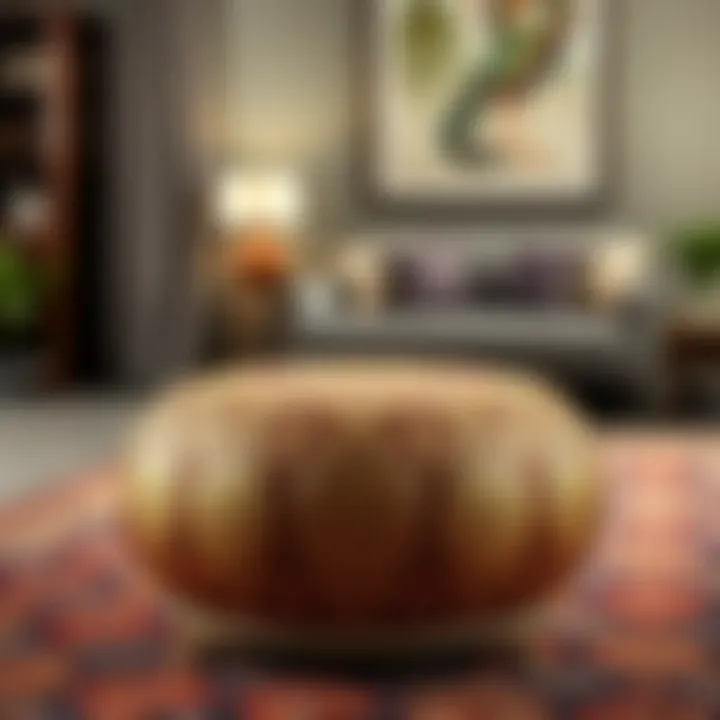
An ottoman is typically a padded and upholstered footstool that often doubles as additional seating or storage. They come in various shapes and sizes, making them quite versatile. You might find an ottoman resembling a large cushion or even a more structured piece with some heft to it. In some cases, an ottoman might also serve as a coffee table, supporting trays of drinks or books.
The design of ottomans can vary greatly, from the minimalist look to elegant designs featuring intricate detailing. With options ranging from round to rectangular, color palettes extending from muted tones to vibrant hues, the right ottoman can seamlessly fit into any decor scheme.
Historical Context
Historically, the ottoman traces back to the Ottoman Empire, where it was initially used in grand palaces and homes as a symbol of luxury. The early versions were often referred to as ‘tulu’ and served a multifunctional purpose. Besides acting as a seat, these pieces were also used as platforms for displaying art or placing decorative items.
As society evolved, so did the conception and utilization of ottomans. In the 19th century, they became more accessible to the general public, evolving into symbols of comfort and utility. This transformation marked their transition from luxury items to beloved staples in family homes worldwide.
Today, whether one is browsing through a flea market or shopping online, there's an array of ottoman options reflecting modern tastes while honoring traditional designs. With growing interest in sustainability and ethical sourcing, more artisans are turning to reclaimed materials, echoing historical practices while catering to contemporary needs.
Understanding the cultural and historical significance of ottomans enriches the shopping experience, turning it into not just a purchase, but a connection to a larger narrative.
In sum, the fabric of ottoman shopping weaves together history, style, and functionality. With an understanding of what defines these unique pieces and their evolution over time, one can make informed and thoughtful decisions. That being said, let’s venture into the diverse world of ottomans and explore the various types that can fit into your decor.
Types of Ottomans
When it comes to furnishing a home, ottomans serve a multifaceted purpose that goes beyond mere aesthetics. The variety of ottoman styles available today reflects an array of uses, ensuring there is something suitable for every individual's needs. Understanding the different types of ottomans is essential for making informed choices that fit both functionality and design. Not only do they serve as functional pieces, but they can also enhance the overall ambiance of a room and act as focal points in decor.
Storage Ottomans
Storage ottomans are the unsung heroes of clutter management. Imagine having a stylish seat that doubles up as a secret keeper for your magazines, remote controls, or cozy blankets. They come in various shapes and sizes, often with plush tops and a hollow center. The durability tends to be solid, usually crafted from sturdy wood and upholstered in flexible fabric or leather.
Benefits of a storage ottoman include:
- Space optimization: Perfect for small apartments or rooms where every inch counts.
- Versatile usage: Can serve as a seat, footrest, or table, all while concealing items.
The added layer of organization can save homeowners from running in circles every time they need to find something. Consider examining the weight and opening mechanism of these ottomans to ensure they complement your ease of life, especially for frequent use.
Coffee Table Ottomans
Coffee table ottomans blend functionality and style; they provide a soft, inviting alternative to traditional coffee tables. When chosen wisely, they can embody your personal style while serving practical purposes. Many are designed with a flat surface perfect for drinks or snacks, making them useful for entertaining.
Key elements to consider:
- Height compatibility: Make sure it matches the sofas or chairs in your living space.
- Durability: Opt for materials that can withstand the wear and tear of regular use.
They can come with storage capabilities, doubling as both a tabletop and a hidden compartment to keep items stowed away. Many modern designs embrace more unique shapes and vibrant colors, allowing for creativity in arrangement.
Footrest Ottomans
Footrest ottomans, as the name states, are specialized pieces that focus primarily on providing comfort to your feet. But their utility doesn't stop there. They can also support the lower back when sitting, enhancing relaxation. Often tufted or padded, they bring a sense of luxury into your seating area.
Benefits of having a footrest ottoman are numerous:
- Health benefits: Elevating your feet can improve circulation and relieve pressure.
- Design enhancement: They can serve as accent pieces that bring texture and color into a room.
When selecting, consider the height and softness factors; a too-high footrest might lead to awkward positions.


Seating Ottomans
Seating ottomans provide extra seating without the bulk of traditional chairs. They can fit into various spaces, accommodating guests or adding an informal touch to gatherings. Often, they are lightweight and can easily be moved around to suit your setting.
Considerations when choosing seating ottomans include:
- Shape and size: Ensure they do not overwhelm your existing furniture layout.
- Fabric options: Think about your lifestyle—stain-resistant fabrics may work better for families with children or pets.
Their versatility often leads to creative arrangements. In addition, some models come with back support allowing for even more comfort.
Materials and Construction
Understanding the materials and construction methods used in ottomans is pivotal for both aesthetics and functionality. The choice of materials doesn't just reflect personal taste; it also impacts durability, maintenance, and the overall vibe of your interior space. Hence, it’s worth taking a deep dive into this topic.
Common Materials Used
When it comes to ottomans, the materials play a significant role in defining their look and feel. Here’s a closer look at some of the most popular materials and their unique traits:
Wood
Wood is a classic choice when it comes to ottoman construction, often providing a sturdy base and timeless appeal. Hardwoods like oak or mahogany are particularly sought after due to their durability. The key characteristic of wood is its natural grain, which can add warmth and texture to a room.
Benefits of Wood Usage:
- Longevity: High-quality wood can last for generations.
- Versatility: It easily fits into various design styles, from rustic to sleek modern.
On the flip side, solid wood can be heavier and might require significant care to maintain its luster. It can also be prone to scratches or dents if not properly treated.
Fabric
Fabric-covered ottomans bring a softness that adds comfort, often being the go-to choice for family homes. The range of fabrics, from cotton to velvet, allows for endless customization. Its key characteristic is the variety in patterns and colors available, which can breathe life into any room.
Benefits of Fabric Usage:
- Comfort: Soft surfaces make for great footrests or seating.
- Variety: You can easily change the look with different seasonal covers.
However, fabric is often less durable than leather or wood and can be more susceptible to stains, especially in homes with pets or kids.
Leather
Leather undoubtedly brings a touch of luxury to any space. It’s often chosen for its elegance and durability. The key feature of leather is its ability to age beautifully; a well-maintained leather ottoman can have an attractive patina over time.
Benefits of Leather Usage:
- Durable: With proper care, leather can withstand years of use.
- Easy Maintenance: Cleaning often involves just a simple wipe down.
Yet, leather can get warm in hotter climates and might not be the best option for everyone, depending on personal preference and budget constraints.
Metal
In recent years, metal ottomans have gained traction, especially for modern or industrial-themed spaces. Metal frames or accents add an edgy appeal and are usually very sturdy. Their key characteristic is strength, which makes them less prone to wear and tear compared to softer materials.
Benefits of Metal Usage:
- Stability: Metal offers robust support that lasts.
- Easy to Clean: They usually require minimal maintenance.
However, they can feel cold and uninviting if not paired well with warmer materials, and you might need to be cautious of rust and corrosion, depending on the finish used.
Sustainability in Ottoman Production
The issue of sustainability in ottoman production is becoming increasingly significant as consumers become more eco-conscious. Sustainability not only encompasses the materials themselves but also the methods of sourcing and manufacturing. Recent trends show a surge in the use of reclaimed wood and organic fabrics, giving consumers options that align with their values.
Encouraging responsible craftsmanship can potentially minimize environmental impact, so homeowners should consider asking retailers about the sourcing of their ottomans. It’s worth considering whether they come from ethical producers who prioritize sustainable practices, do their part to reduce waste, and use recyclable materials.
"Opting for sustainable options not only protects the environment but can add unique character to your space."
By being mindful of these aspects, one can transform their living area while making responsible choices.
Choosing the Right Ottoman
Choosing the right ottoman is essential, not only for aesthetics but also for practicality. The success of any home design hinges on how well each piece fits into its intended space. An ottoman can serve multiple roles—offering additional seating, acting as a coffee table, or providing storage solutions. Given their versatility, selecting the appropriate style, size, and function becomes a nuanced decision that deserves careful consideration.
When embarking on the quest for that perfect ottoman, a few crucial factors must take center stage. Understanding the dimensions of your space, how the ottoman aligns with your existing decor, and your personal preferences are all instrumental in making a smart choice.
Assessing Space Requirements
Assessing space requirements is a fundamental step in choosing an ottoman that enriches rather than clutters your home. First things first: take a good look at where the ottoman will reside. Whether it’s the living room, bedroom, or an entryway, measuring the area is crucial. Too large, and it can overwhelm the room; too small, and it may feel insignificant. A practical rule of thumb is to leave enough room for movement around the ottoman—ideally, a few feet so people can navigate comfortably.
- Considerations for measurement:
- Width and Length: Knowing the exact measurements of the space can help you visualize how the ottoman will fit.
- Height: Ensure the height complements your other furniture for ease of use, especially when it's meant for seating.
Additionally, think about the ottoman’s placement in relation to other furniture pieces. A well-placed ottoman not only enhances aesthetics but also serves functional needs such as foot support or as a place to place drinks or books.
Balancing Functionality and Style
Now that you’re aware of your space, it’s time to dive into balancing functionality and style. An ottoman isn’t merely a decorative piece; it’s an investment in comfort and usability. Start by considering how often you expect to use the ottoman. Will it be a footrest after a long day? A coffee table for casual conversations? Or perhaps a storage unit for your throw blankets?
When it comes to style, your ottoman should harmonize with your overall decor. Think about the color palette, the materials used in your space, and the theme that you’re trying to create. An elaborately patterned ottoman may work wonders in an eclectic environment, while a minimalist design shines in contemporary settings.
- Functional considerations:
- Convertible Options: Look for ottomans that can double up as tables or include hidden storage.
- Durability: Materials matter. For high-traffic areas, consider fabrics that are easy to clean, or opt for leather for a touch of elegance and longevity.
Striking a balance between functionality and aesthetic appeal will guide you toward a purchase that genuinely enhances your living space. By assessing space requirements and envisioning the ottoman's role in your home, you position yourself to make a well-informed decision that echoes in your design choices for years to come.
Ottoman Interiors: Design Considerations
When diving into the world of ottomans, one cannot overlook the importance of design considerations in this multifaceted realm. Ottomans are more than just functional pieces; they serve as pivotal elements in the aesthetic composition of a space. Understanding the right design considerations can transform not only the ottoman itself but also the entire ambiance of a room.
Color and Fabric Choices
Picking the right color and fabric for your ottoman isn't merely a matter of aesthetics—it’s also about cohesion within your space. Different fabrics and colors can dramatically influence mood and perception.
- Neutral Tones: If you're looking to add subtlety, opt for neutral shades like beige, gray, or taupe. They blend seamlessly with various palettes.
- Bold Colors: For those wanting to make a statement, vibrant reds or deep blues can serve as eye-catching centerpieces.
- Texture Variance: Velvet might evoke a sense of luxury, while leather offers durability and a sleek appearance.
Choosing the right pairing can also reflect the feelings you want to create in your space. For instance, soft fabrics may create a cozier feel, whereas shimmery materials can add a touch of sophistication.
In simpler terms, make sure your ottoman's color and fabric align not only with your taste but also resonate with the characteristics of the room.
Integrating with Existing écor
Integration of an ottoman with the existing décor extends beyond color choices; it involves a harmonious blend of style, size, and form that enhances rather than overshadows.
- Style Consistency: Items in the same room should communicate a visual narrative. If your living room features a modern design, a minimalist ottoman could be the cherry on top. Conversely, a vintage ottoman may fit like a glove in a rustic-themed room.
- Size Matters: Ensure that your ottoman is proportionate to your existing furniture. A large ottoman in a small cocoon of a room might feel cramped, while a petite one in an expansive space can get easily lost.
- Multi-Purpose Functionality: Integrating functionality into design can make your ottoman a real-game changer. For instance, an ottoman that serves as both a footrest and a coffee table can maximize the utility of the space.
"The ottoman does not merely occupy a space; it has the potential to redefine it."
The goal is to create a cohesive environment where the ottoman stands proud amongst other furnishings without clashing. When chosen and integrated thoughtfully, ottomans can elevate the aesthetic and functionality of a space, making them essential components in interior design.
Where to Shop for Ottomans
When it comes to finding the perfect ottoman for your space, understanding where to shop is a game changer. This section focuses on the various shopping avenues available, including local artisan shops and online marketplaces, each with its unique perks. Whether you’re after a one-of-a-kind piece or a more mainstream option, knowing your purchasing venues can make all the difference.
Local Artisan Shops
Local artisan shops are treasure troves for those interested in handmade and unique ottomans. These establishments often provide a personal touch that mass-produced furniture cannot match. Shopping local supports craftsmen and women in your community while allowing you to discover pieces that carry stories, culture, and artistry.
One of the standout benefits of local artisan shops is the opportunity to interact with the makers themselves. Often, you can learn about their crafting process, materials used, and the inspirations behind their designs. This rich narrative can convert a mere purchase into a cherished memory. Additionally, many artisans are open to customizations, making it possible for you to get an ottoman that perfectly fits your aesthetic and needs.
However, keep in mind that prices can vary widely based on the artistry and materials used, and availability may be limited. It can also be beneficial to check if these shops have an online presence, extending their reach beyond local boundaries.
Online Marketplace Recommendations
E-commerce Retailers

E-commerce retailers like Wayfair or Amazon have become popular choices for ottoman shopping due to their sheer convenience and variety. These platforms offer extensive catalogs, showcasing numerous styles and price points; thus, it’s relatively easy to find something that fits both your needs and budget.
The key characteristic of e-commerce retailers lies in their user-friendly interfaces and often robust filtering options. You can sort through sizes, colors, materials, and customer ratings right at your fingertips. This is particularly helpful for time-pressed buyers or those who prefer to conduct research from the comfort of their home.
Additionally, many of these sites provide consumer reviews and Q&A sections, which can guide your decision-making process. However, a few downsides include the inability to physically inspect the item before purchase and potential shipping costs, which can vary. It's also vital to remain vigilant for quality; not all e-commerce offerings maintain the same standards.
Custom Order Platforms
Custom order platforms, such as Etsy or Custom Sofa, are another noteworthy option for ottoman shopping. They allow consumers to design bespoke pieces that fit perfectly into their homes. A biggest draw of these platforms is their versatility; you can select the shape, fabric, and dimensions tailored to your specific space.
The unique selling point is, of course, customization. You play an active role in the design process, collaborating with artisans to ensure that the final product meets your exact desires. Custom order platforms can also help you avoid the pitfalls of poorly made items often found in mass-market stores.
However, time can be a disadvantage; creating customized pieces often takes longer than purchasing ready-made options. They tend to come at a premium, too, so budget considerations are essential.
In summary, whether seeking local craftsmanship or the convenience of online shopping, there are multiple avenues for shopping for ottomans that can cater to your specific needs and style preferences. Explore these paths to discover a piece that truly resonates with your home and lifestyle.
Caring for Your Ottoman
Caring for your ottoman may not be the first thing that comes to mind when considering home décor, but maintaining this versatile piece is essential for longevity and aesthetics. Investing in an ottoman, whether it serves a practical purpose or merely decorates your space, demands a little TLC. Regular attention to its care can ensure it remains a stunning centerpiece in your living area for years to come.
When discussing caring for your ottoman, the focus should include two main aspects: cleaning and maintenance. Neglecting either aspect can lead to unsightly wear and tear, diminishing the value of your investment. Let's break it down further.
Cleaning Guidelines
Cleaning your ottoman might feel daunting, especially if it's upholstered, but it doesn’t have to be a historic saga. Firstly, understanding the material is key to determining the right cleaning products to use. Most ottomans fall under common categories: fabric, leather, or wood. Here are some cleaning basics:
- Fabric Ottomans: Use a vacuum cleaner with an upholstery attachment to remove dust and debris. For stains, a mixture of mild soap and water can work wonders. Blot the stain gently with a soft cloth rather than rubbing it vigorously.
- Leather Ottomans: Leather demands special care. It's wise to apply a leather conditioner every six months. For spot cleaning, use a damp cloth, as excess water can ruin the leather's finish.
- Wooden Ottomans: A soft, dry cloth is your best friend here. Avoid excessive moisture, which can warp wood. For shine, a little bit of wood polish used periodically is ideal.
Tip: Always test any cleaning solution on a small, hidden area first to avoid unexpected damage.
Maintenance Practices
Keeping your ottoman in tip-top shape goes beyond just cleaning it. Regular maintenance practices can significantly enhance its lifespan. Here are several considerations to bear in mind:
- Positioning and Use: Avoid placing your ottoman in direct sunlight, as UV rays can fade colors over time. If your ottoman is in frequent use, consider rotating it occasionally to ensure even wear.
- Spot Check: Conduct regular inspections to spot any damages or wear before they escalate. A lost button on an upholstered ottoman or a scratch on a wooden one is easier to fix if caught early.
- Protective Covers: If your ottoman is used significantly—such as during family gatherings—using a protective cover can shield it from stains, spills, and scratches.
- Professional Care: For deep cleaning or repairs, don’t hesitate to enlist professional services, especially for vintage or high-end pieces.
Trends in Ottoman Design
In the evolving world of interior design, the role of ottomans has transcended mere functionality, becoming integral to aesthetic appeal and contemporary living. Keeping abreast of the trends in ottoman design is essential for anyone who wishes to create a compelling atmosphere in their home. These trends not only influence the selection of an ottoman but also shape the overall decor.
A noteworthy aspect of current trends is the emphasis on versatility. Ottomans are no longer just footrests or decorative elements; they are being utilized as multi-functional pieces that can accommodate various needs. This flexibility allows homeowners to maximize their space without sacrificing style. For example, a sleek storage ottoman can serve as a coffee table while simultaneously providing hidden storage, proving that form can indeed follow function.
The contemporary market has seen a shift towards sustainable design as well. Many ottoman manufacturers are now prioritizing environmentally-friendly materials and production processes. The awareness of eco-conscious consumers is driving this change, leading to a rise in options made from recycled materials, organic fabrics, and responsibly sourced woods. This trend complements a growing desire among homeowners to not only beautify their spaces but to also contribute positively to the environment.
Contemporary Styles
With the march of modernity, contemporary styles of ottomans have taken center stage. Sleek lines, minimalist shapes, and bold colors define the current landscape of ottoman design. Designers are experimenting with geomatric forms and innovative upholstery techniques, introducing elements that resonate with modern aesthetics. Popular choices include bright, solid colors for a fresh pop in minimalist designs, or subtle patterns for those who appreciate understated elegance. For instance, an all-white space can instantly come alive with a vibrant teal ottoman that draws the eye.
Another trend is the incorporation of technology. Ottomans equipped with built-in USB ports or wireless charging capabilities are becoming increasingly popular, catering to the tech-savvy generation that values convenience above all. Such innovations illustrate not only a response to evolving lifestyle demands but also pave the way for further integration of functionality within furniture design.
Vintage and Retro Influences
Although contemporary styles are all the rage, there’s a warm nostalgia tied to vintage and retro influences that continue to capture the hearts of many homeowners. Ottomans inspired by mid-century modern designs, with their rich textures and classic silhouettes, are making a strong comeback. Think of an ottoman clad in rich velvet in mustard or deep emerald, exuding a charming old-world elegance while enhancing the overall modernity of a space.
Furthermore, mixing vintage-inspired ottomans with contemporary decor is a popular trend among interior designers. Doing so creates a layered look that adds personality and depth to a room. One might find a tufted leather ottoman paired with sleek Scandinavian furniture, resulting in an engaging contrast that tells a story.
"The beauty of ottomans lies not only in their function but also in their ability to bridge different styles and eras, creating a harmonious balance in design."
In sum, trends in ottoman design reflect broader movements in the interior design world—emphasizing versatility, sustainability, contemporary aesthetics, and a nod towards nostalgic influences. Keeping an eye on these trends enables homeowners, designers, and retailers alike to stay relevant and take their spaces to new heights.
Ending
In wrapping up our exploration of ottoman shopping, it is crucial to reflect on the significance of the topic. The purpose of this article is to arm both designers and homeowners with the knowledge necessary to navigate the bustling world of ottomans effectively. The multifaceted approach we took highlights several key elements that make ottomans not just an aesthetic choice, but a practical one.
First and foremost, understanding the versatility of ottomans and how they fit into various interior designs is essential. Whether it's for storage, as a footrest, or simply as a decorative piece, the right ottoman can serve multiple functions. Selecting the appropriate style and material that corresponds with your existing décor can enhance the overall ambiance of any room.
"An ottoman is not just furniture; it often becomes a focal point in the space, blending form with function."
When considering sustainability, it’s important for modern consumers to look beyond mere trends. Emphasizing eco-friendly materials not only supports responsible consumption but also speaks to an informed purchasing ethos. This guide touches on various sustainable production processes that can be both stylish and environmentally responsible.
Furthermore, caring for your ottoman is a topic that deserves attention. Proper cleaning and maintenance practices prolong the life of your piece, ensuring that it remains a staple in your home for years to come. Select a model that not only matches your style but can withstand the test of time with appropriate care.
Finally, the shopping experience itself warrants consideration. From local artisans to online marketplaces, knowing where to find unique ottomans can be a game changer. A personal touch in your home is often found in pieces that tell a story, something that cannot be replicated by mass-produced items.
The journey through ottoman shopping leads to an enriched understanding of both the aesthetic and practical implications of these marvelous pieces of furniture. In the end, it's not just about finding the right ottoman; it's about creating a welcoming space that reflects one’s personality and values.